

2026 Home Trends: Horizontal Blinds in Beaumont & Lake Elsinore
This article provides a practical, research‑based overview of 2026 home trends in horizontal blinds in Beaumont & Lake Elsinore for homeowners seeking reliable information on window covering options. You will learn about performance factors, material choices, energy considerations, installation constraints, and relevant climate and design influences affecting horizontal blinds decisions.
Market Trends and Design Shifts for Horizontal Window Blinds in 2026
Horizontal blinds continue to be a key segment of window treatments, with evolving preferences reflecting broader design trends.
- Horizontal blinds maintain relevance as core window coverings, offering structured light control and adaptability.
- Industry trends show increased emphasis on cordless mechanisms and integration with smart home systems for safer, modern operation.
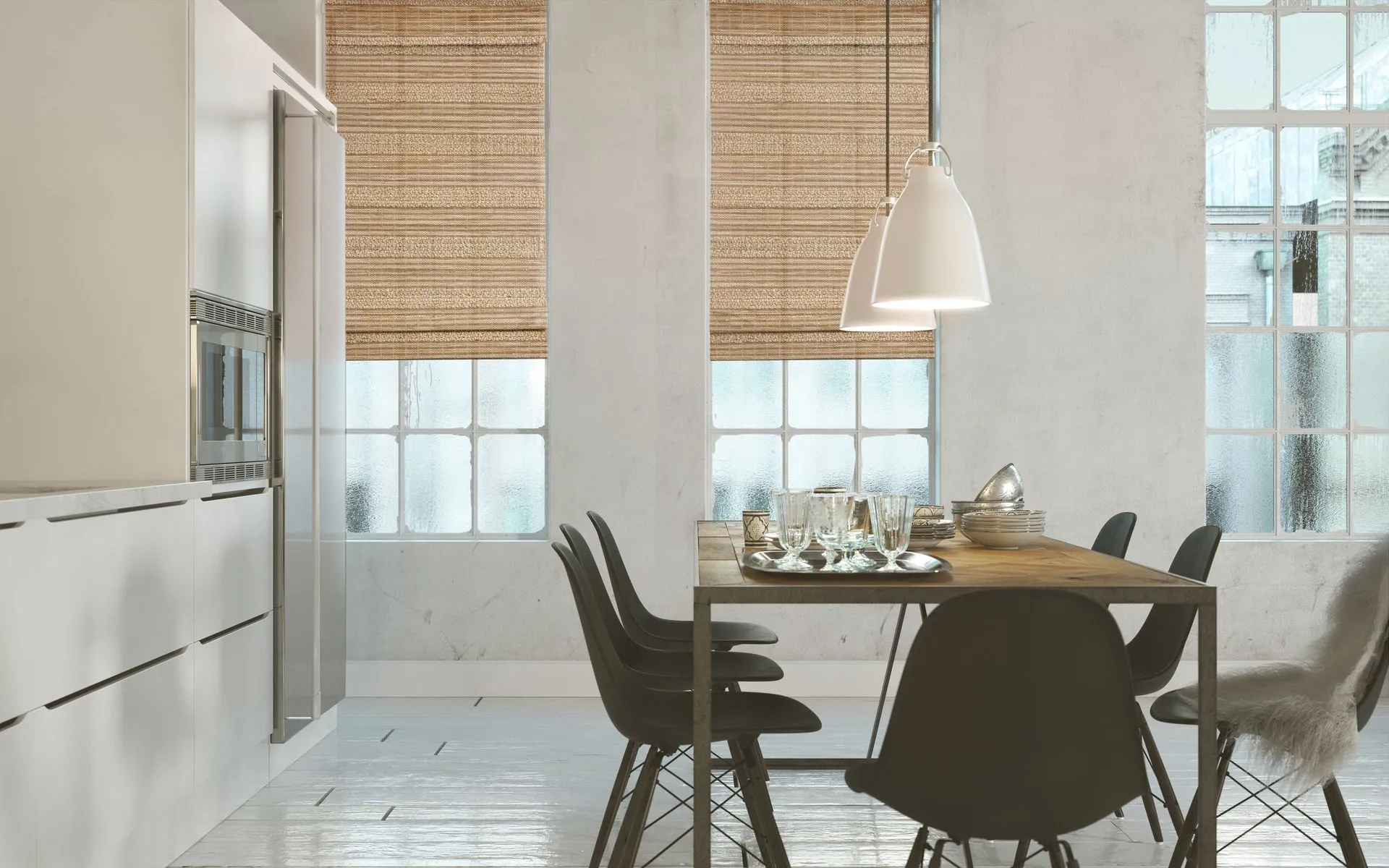
- Aesthetic direction in 2026 favors natural materials, warm neutral palettes, and layered treatments combining blinds with soft textures.
- Modern horizontal systems often align with minimalist design principles, emphasizing clean lines and minimal visible hardware.
Understanding these patterns helps homeowners align functional requirements with interior design outcomes.
Materials and Performance Characteristics of Horizontal Blinds
Horizontal blinds vary significantly in materials, each affecting performance and maintenance.
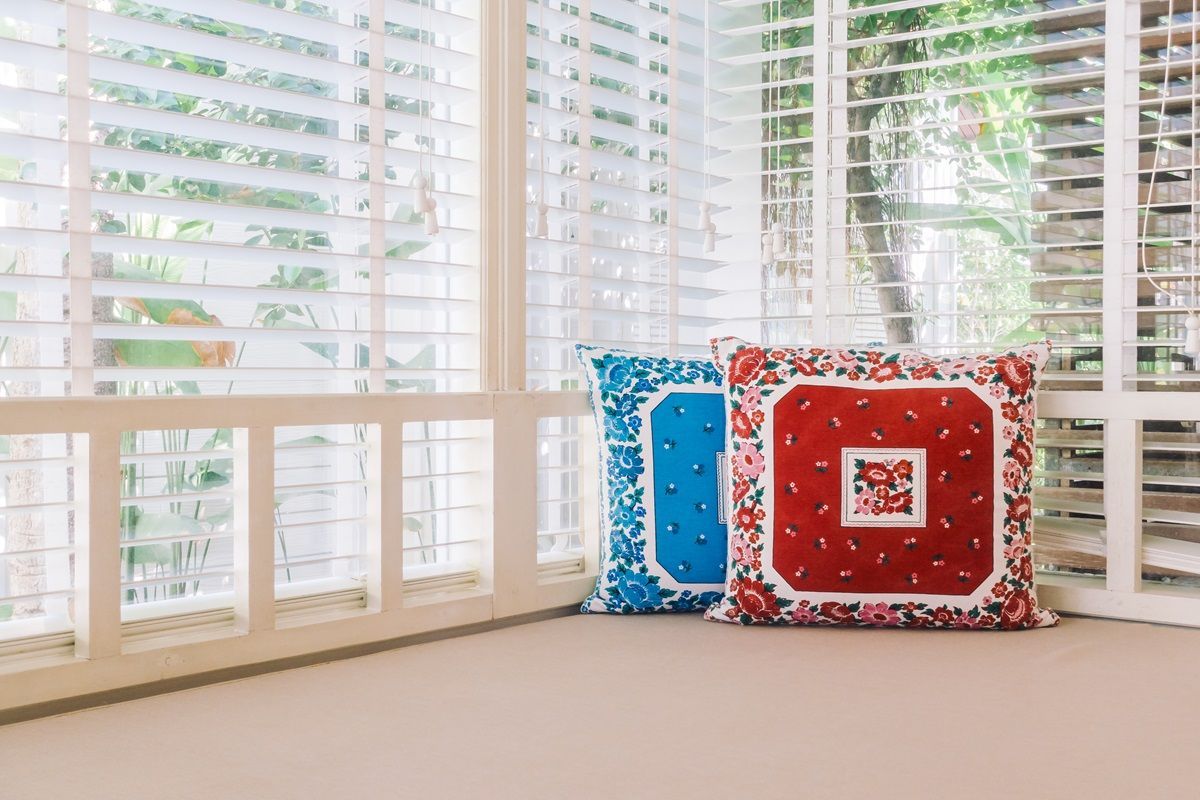
- Aluminum slats: lightweight, resilient, and suited to high‑moisture spaces like kitchens and bathrooms; durable but can show dents.
- Wood slats: warmer aesthetics and robust light control; susceptible to moisture distortion unless sealed.
- Faux wood slats: engineered to resist humidity and temperature changes; lower maintenance and stable across indoor climates.
- Vinyl slats: affordable and easy to clean, with flame‑retardant options meeting safety standards.
Materials influence durability, light diffusion, and suitability for specific rooms. Consider moisture exposure and maintenance when selecting the appropriate slat composition.
Light Control, Privacy, and Orientation Considerations
Horizontal blinds settings and orientation significantly affect indoor comfort.
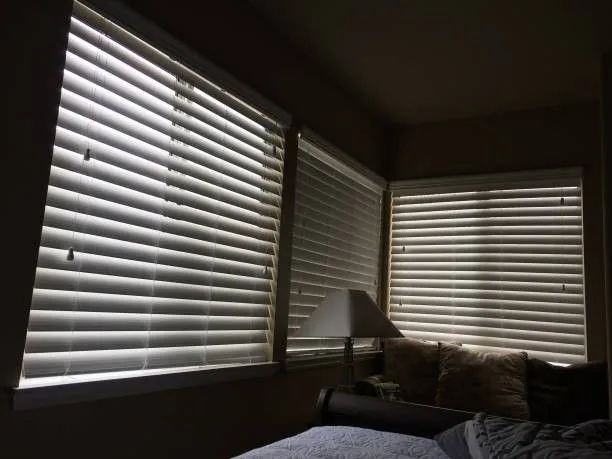
- Slat tilt allows gradual light modulation and privacy control versus the full up/down movements of other treatments.
- Matching blind opacity to window orientation (e.g., east/west exposures) influences glare reduction and UV transmission.
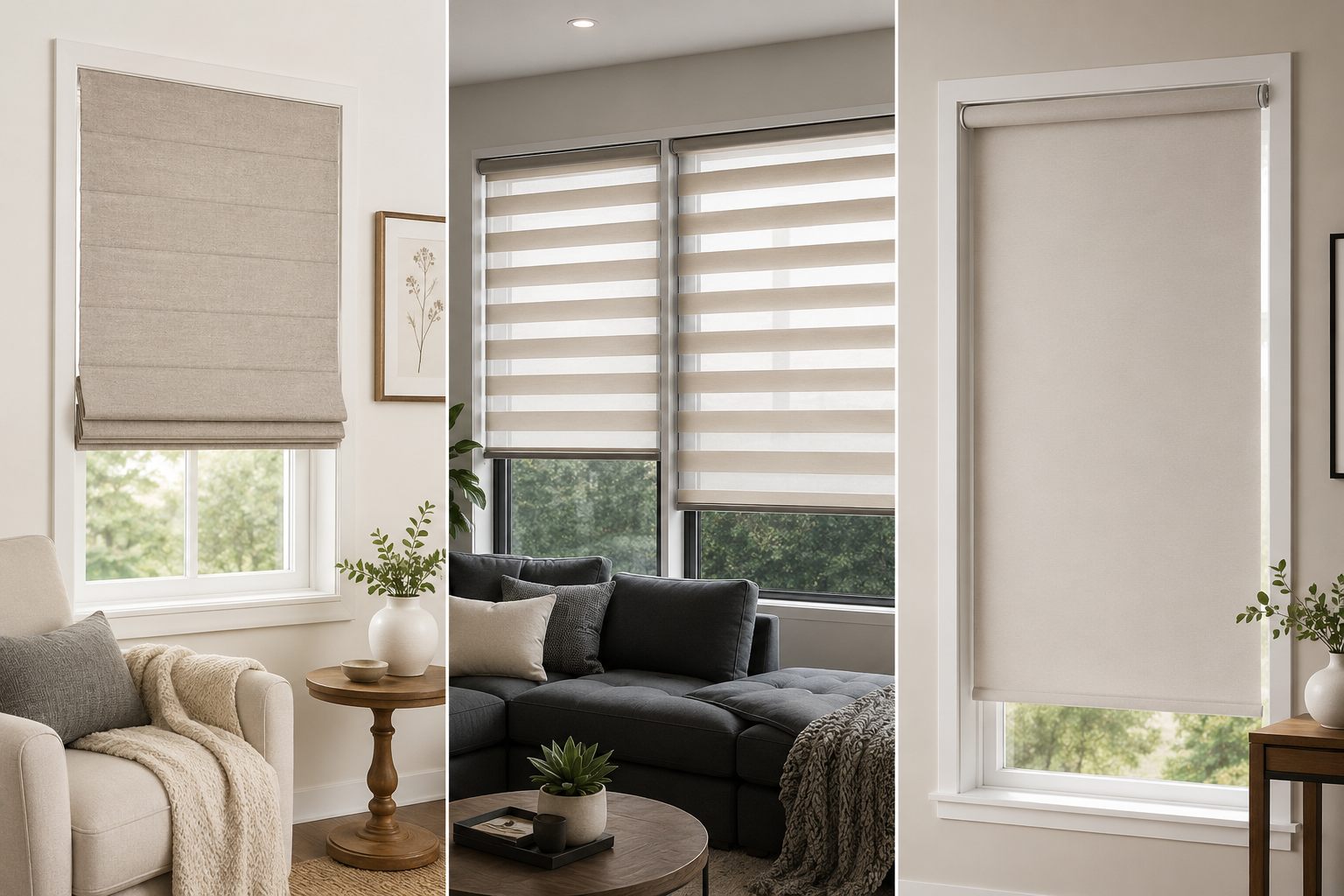
- Layering horizontal blinds with shades or curtains can enhance thermal performance and offer light‑filtering options throughout the day.
Choosing the right configuration depends on desired daylight balance, privacy needs, and room function (e.g., bedrooms versus living areas).
Energy Efficiency and Climate Impacts in Beaumont and Lake Elsinore
Climate patterns in Southeast California influence how window coverings perform.
- Both Beaumont and Lake Elsinore experience hot, sunny conditions during long summers, where solar heat gain significantly impacts cooling loads.
- Effective blinds can reduce direct solar heat transfer and improve indoor thermal comfort, potentially lowering HVAC use.
- Insulating linings or cellular elements paired with horizontal blinds offer enhanced energy benefits where daily temperature swings are pronounced.
Homeowners should assess local sun exposure patterns, window orientations, and seasonal climate variations to select blinds with appropriate thermal performance.
Safety, Operation, and Smart Integration Trends
Recent trends emphasize safety and convenience in operational features.
- Cordless designs reduce entanglement risks for children and pets and align with contemporary expectations.
- Motorized and smart‑enabled blinds can integrate with home automation systems to schedule shading based on time or sunlight intensity.
- Mechanical reliability and power sources (battery versus low‑voltage wiring) impact installation complexity and ongoing maintenance.
Practical planning includes evaluating electrical access, control interface preferences, and future adaptability to home systems.
Installation, Measurement, and Fit Constraints
Proper fit and installation affect performance and longevity.
- Accurate measurement of window width, height, and sill depth is essential for effective horizontal blinds installation.
- Inside‑mount installations yield a sleek, recessed appearance but require precise tolerances; outside‑mount installations can improve coverage but change visual proportion.
- Frame materials and window trims should be assessed to determine whether standard mounting or custom brackets are required.
Incorrect measurements or ignoring frame variations can lead to light gaps, poor operation, and reduced effectiveness.
Durability, Maintenance, and Lifespan Expectations
Horizontal blinds' longevity depends on the environment and use patterns.
- Dust accumulation on slats is common; regular light cleaning reduces long‑term degradation.
- Metal or faux wood blinds resist humidity better than real wood in areas prone to moisture exposure.
- Frequent adjustment cycles can lead to wear on tilt mechanisms; choosing quality hardware reduces premature failure.
Realistic expectations consider both aesthetic goals and maintenance capabilities, especially in households with high use.
Cost Factors and Budgeting Considerations
Costs vary based on size, material, and feature set.
- Basic aluminum or vinyl horizontal blinds represent entry‑level budgets; wood and faux wood cost more depending on quality.
- Motorization and smart integration add to upfront costs, but long‑term convenience may justify investment for some homeowners.
- Custom sizes and finishes increase cost relative to off‑the‑shelf options and may affect lead times.
Budget planning should include evaluation of long‑term performance versus initial outlay and potential energy savings.
Conclusion
In 2026, horizontal blinds in Lake Elsinore remain a foundational window treatment option with evolving design and performance expectations shaped by material innovation, local climate demands, and safety standards. Homeowners in Beaumont and Lake Elsinore can use these insights to assess trade‑offs in durability, light control, energy performance, and installation constraints. C&C Shutters and Window Coverings sources these considerations into practical selection frameworks for informed decisions.
Frequently Asked Questions
What are horizontal blinds, and how do they differ from vertical blinds?
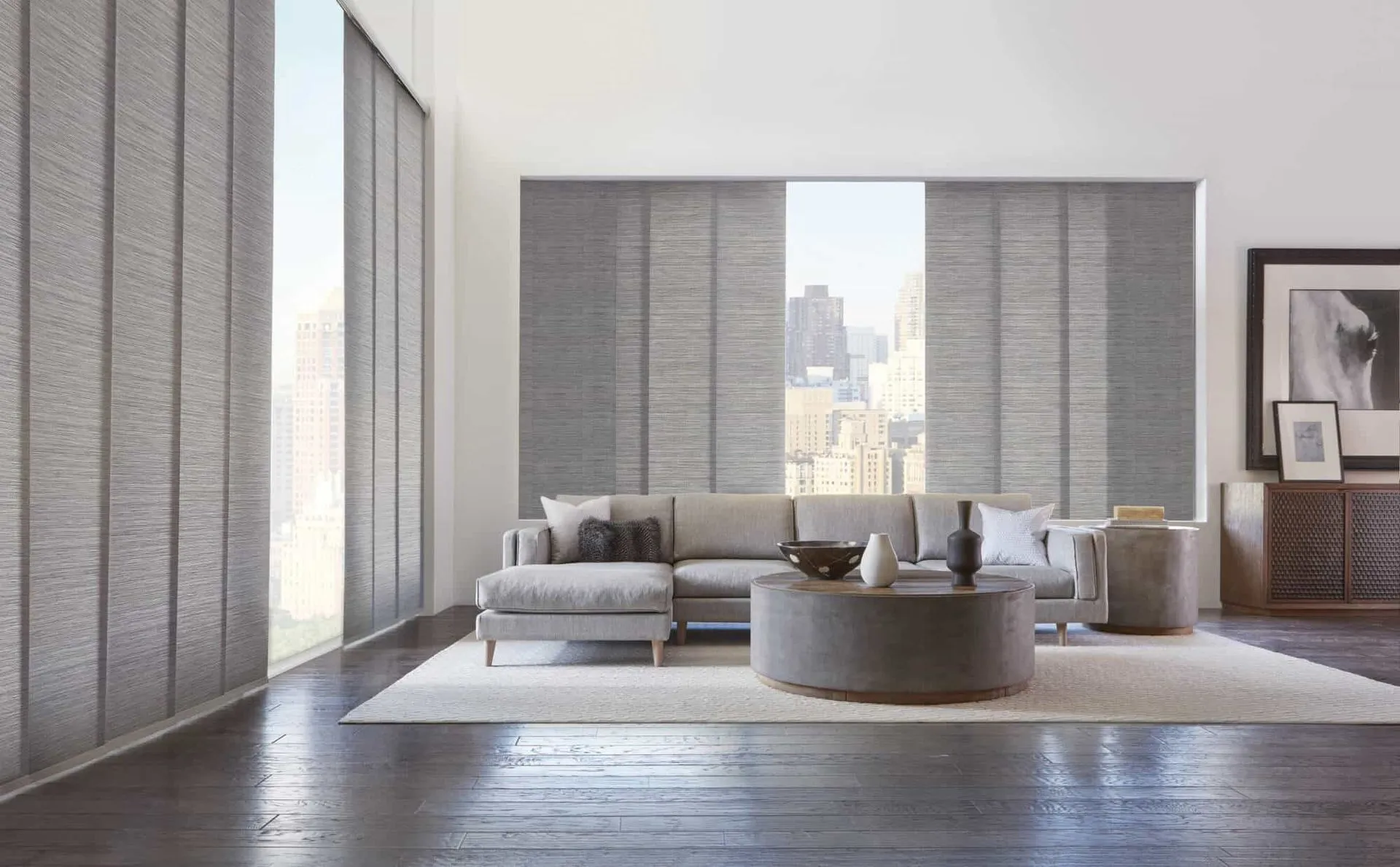
Horizontal blinds consist of horizontal slats that tilt and raise lower to control light and privacy; suitable for narrower windows compared to vertical blinds, designed for wide or sliding openings.
Are cordless horizontal blinds safer for homes with children?
Yes, cordless designs eliminate dangling cords, aligning with 2026 safety trends and reducing entanglement risks.
Which materials are most durable for horizontal blinds in hot climates?
Faux wood and aluminum resist heat and humidity better than real wood, which can warp without proper sealing.
Can horizontal blinds help reduce energy costs?
Yes, when paired with insulating linings or layered treatments, they can reduce heat gain and cooling load.
What are typical maintenance needs for horizontal blinds?
Regular dusting and occasional deeper cleaning keep slats and mechanisms operating smoothly; material choice affects ease of care.
Is motorization worth the additional cost?
Motorization improves convenience and can integrate with smart systems, but adds upfront cost and requires planning for power access.
How should windows be measured for horizontal blinds?
Precise width and height measurements at multiple points ensure proper fit; inside vs outside mount affects measurement approach.